EDITORIAL DESK · 105 entries
Tarot & Cards
Learn tarot deck structure, Major and Minor Arcana, court cards, reversals, spreads, questions, and reflective practice.
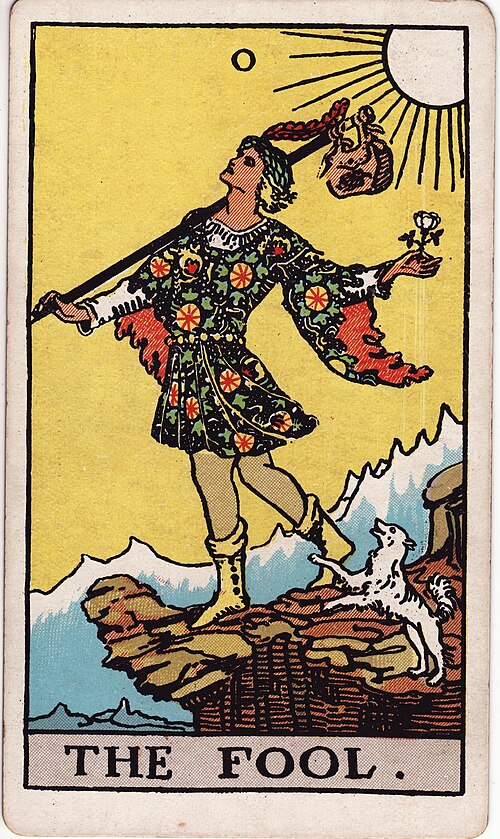
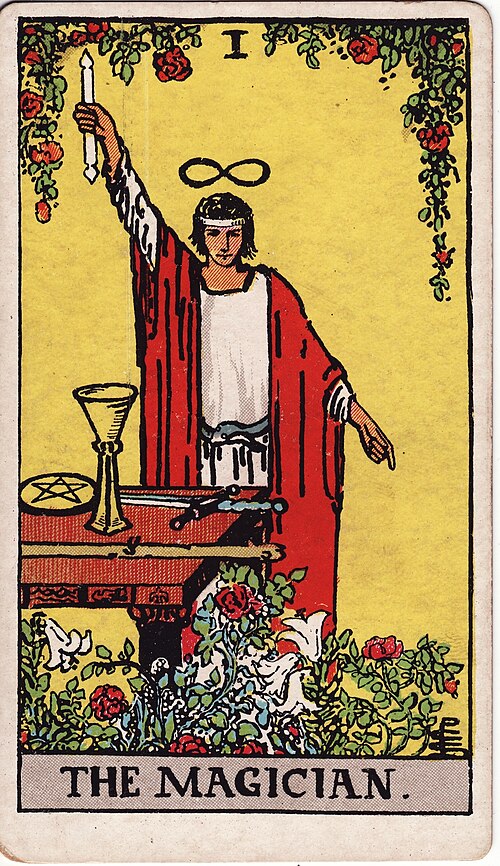
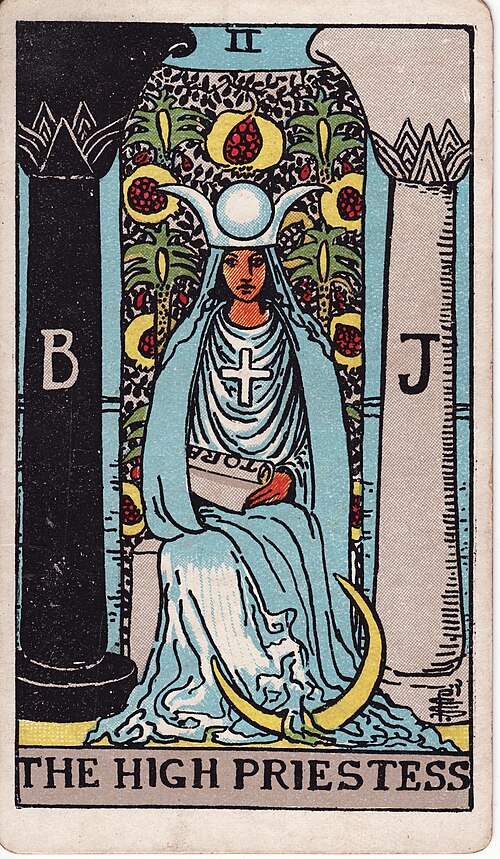
Tarot reading combines a deck’s visual language, card position, question, and surrounding cards. Strong practice moves beyond memorized keywords and records how an interpretation was formed.
Start with deck structure and a small spread, then develop your own evidence-based reading vocabulary through repeated, dated practice.
Start here
A reading order for newcomers before moving into glossary and case material.
Browse every entry
Definitions, methods, cases, reading guides, and cross-links filed in this desk.
Questions readers ask
Short answers to common starting-point questions in this desk.
Do beginners need to memorize all 78 tarot cards?
No. Learn the deck structure, recurring symbols, suits, numbers, and a few core cards first. Meanings become clearer through comparison and practice.
What is a tarot spread?
A spread assigns a role to each card position. The layout helps separate context, tension, options, and reflection rather than treating every card as an isolated answer.
Are reversed cards required?
No. Some readers use reversals and others do not. What matters is choosing a method, recording it, and applying it consistently.